
Exploring Why Damage Occurs in Walls
Drywall is a common building material used to create walls and ceilings. However, over time, cracks and holes can develop. Understanding why these issues occur is crucial for maintaining the integrity of your walls. Knowing the causes helps you take preventive measures and ensures that any necessary repairs are effective.

Why Do Drywall Cracks Appear?
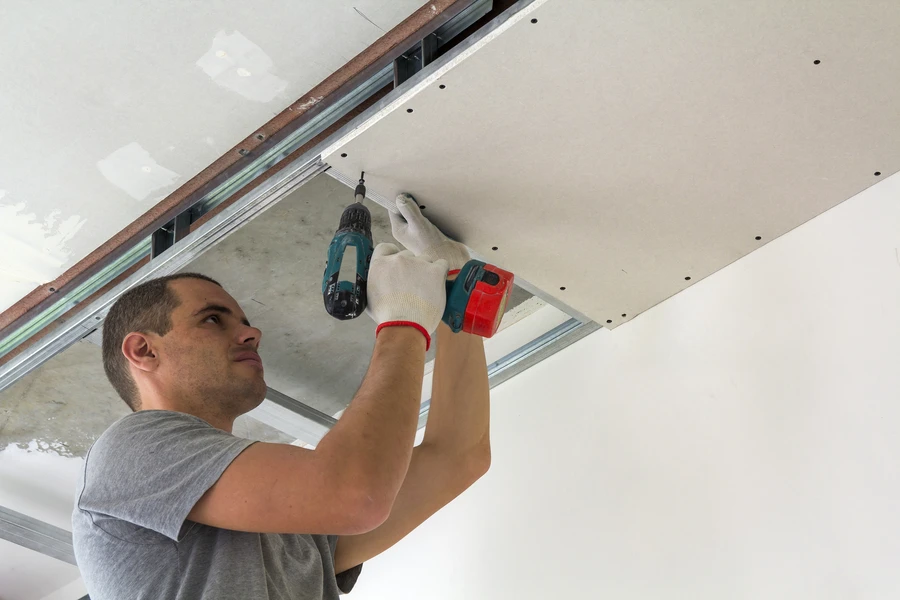
Cracks in drywall often result from structural movement or settling. As buildings age, they naturally shift slightly. This movement can lead to stress on drywall surfaces, causing them to crack. Poor installation methods may also contribute to this issue. If screws or fasteners aren’t properly placed during installation, it increases the likelihood of cracking. Another factor is humidity fluctuations; drywall expands and contracts with changes in moisture levels, potentially leading to cracks.
Causes of Holes in Your Walls
Holes in drywall can occur for several reasons. Accidental impacts, such as doors being slammed open or furniture bumps, often cause small holes. In some cases, nails and screws pulled out of the wall leave larger holes behind. These openings are not just unsightly but can worsen over time if left unaddressed. Addressing these holes promptly with drywall repair prevents further damage.
The Role of Moisture in Wall Damage
Moisture is a major contributor to both cracks and holes in drywall. Excessive moisture exposure causes the material to weaken, making it more susceptible to damage. Leaks from plumbing issues or roof damage can introduce this moisture into walls. Over time, constant exposure will compromise the wall’s strength, leading to cracks and potential holes that require attention through drywall repair techniques.
Preventative Measures You Can Take
To prevent cracks and holes in drywall, consider implementing some simple strategies. First, control indoor humidity levels using dehumidifiers when necessary. Proper installation by professionals ensures that fasteners are correctly placed, reducing future risks. Regularly inspect areas prone to impact, such as near doorways, to catch potential problems early. Establishing a routine check can help maintain the health of your walls.
Steps for Repairing Damaged Drywall
Repairing damaged drywall involves several straightforward steps:
- Identify all visible cracks and holes.
- Clean the area around each defect thoroughly.
- Apply joint compound to fill in cracks or cover holes.
- Smooth the surface with a sanding block once dry.
- Repaint the wall to match existing decor.
When to Call Professionals
While minor repairs can be handled independently, there are times when professional intervention is advisable. Extensive water damage, significant structural movement, or large cracked areas might require expert assessment. Professionals bring experience and tools that ensure long-term solutions rather than temporary fixes. If unsure about handling repairs yourself, consulting an expert can save time and future costs.
Final Tips for Wall Maintenance
Maintaining your walls involves regular checks and taking quick action when issues arise. Simple practices like avoiding excessive weight on wall fixtures and keeping an eye out for signs of moisture buildup play a critical role. By staying proactive, you’ll keep your living space looking pristine and avoid costly repairs down the line.
Your Partner in Quality Repairs
If you’re facing persistent issues with your drywall, our team is here to help. Based in Kitchener, ON, we provide professional services tailored to your needs. Contact us at (519) 904-5655 to learn how Jemelta Drywall Contractors can assist you with maintaining healthy walls and lasting beauty in your home.